CRA Notifies Consumers of Voluntary Marijuana Product Recall for Sales Locations in Adrian and Gould City

November 20, 2023 – In the interest of public health and safety, Bloomfield Development Group Grow, LLC (AU-P-000308) – in coordination with the Cannabis Regulatory Agency (CRA) – is voluntarily recalling a limited number of marijuana-infused edibles. The recall bulletin can be located here.

The marijuana-infused edibles are being recalled because the producer could not provide evidence the product is homogeneous, and the product exceeds the maximum dose of 10mg of THC per serving. In the statewide monitoring system (Metrc), the product is spelled “Sweet Cheeks White Chocolate 10 pc” and as “Sweet Cheeks” on the product packaging.

The product was sold between the dates of 6/16/2023-10/17/2023 and has an expiration date of 5/5/2024.
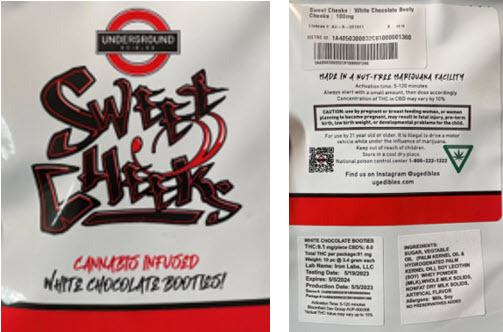
Sweet Cheeks

The recall applies to the marijuana product sold at the following locations:

METRC TAG: 1A4050300032C81000002408
Endo (AU-R-000653)
307 E Beecher St, Adrian, MI 49221

METRC TAG: 1A4050300032C81000001360
Bloomfield Development Group Grow LLC (AU-R-001011)
17812 US HWY 2, Gould City, MI 49838

The above sales locations must display this recall notice on the sales floor, visible to all consumers, for 30 days from the date of this notice.

Consumers who have these products in their possession should return them to the marijuana sales location for proper disposal. Consumers who have experienced adverse reactions after using these products should report their symptoms and product use to their healthcare providers.

Consumers are encouraged to also report any adverse reactions to marijuana product to the CRA by completing this Adverse Reaction Form and submitting it according to the instructions included or by phone at 517-284-8599.

A licensee that becomes aware of any adverse reactions to a marijuana product must notify the CRA and enter the information into METRC within one business day.

Questions about this recall should be emailed to the CRA’s Operations Support Section at CRA-Compliance@michigan.gov. For more information about the CRA, please visit www.michigan.gov/CRA.

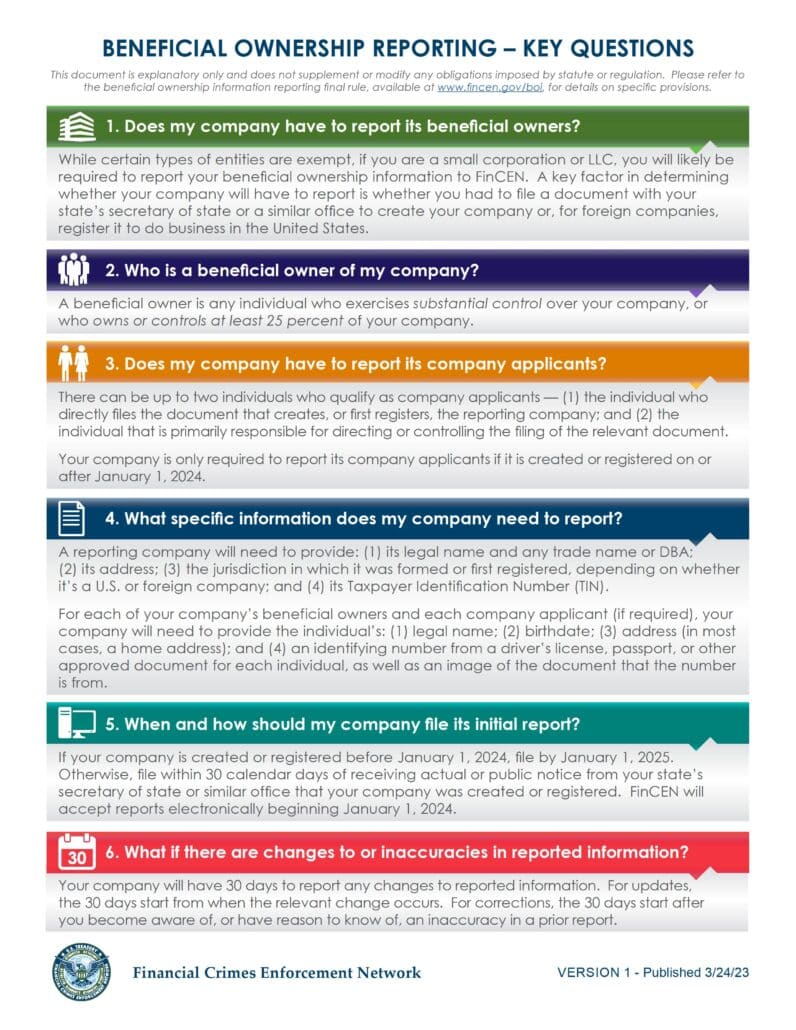
CRA Publishes Michigan’s Marijuana Industry Voluntary and Involuntary Exclusion Lists

In order to promote continued transparency with Michigan’s cannabis industry stakeholders, the Cannabis Regulatory Agency (CRA) has created and made public the marijuana industry voluntary and involuntary lists. These lists are now available on the CRA website and include individuals excluded from participating in the licensed marijuana industry in Michigan.

Individuals may be excluded from employment at, or participation in, a marijuana business and added to the involuntary exclusion list pursuant to the administrative rules. Individuals may voluntarily exclude themselves from employment at, or participating in a marijuana business, by signing a Consent Order and Stipulation (COS) to resolve disciplinary action the CRA has initiated against them.

It is vital that licensees screen prospective employees, supplemental applicants, and owners against the exclusion lists as they are prohibited from employing excluded individuals or allowing them to be supplemental applicants on a license.

Michigan’s marijuana industry exclusion lists – both voluntary and involuntary – can be found on the CRA website under the Disciplinary Actions page.

CRA issues fine and suspends Detroit Provisioning Center license for 30 days

October 10, 2022 – The Cannabis Regulatory Agency (CRA) ordered today a 30-day suspension of the medical marijuana provisioning center facility license held by The House of Mary Jane – located at 19154 James Couzens, Detroit, MI 48235.  In addition to the suspension, the order requires the payment of a $75,000 fine. The license suspension begins 10 days after the effective date of the order.

Representatives of The House of Mary Jane (“Respondent”) recently signed a consent order, allowing the CRA to treat the following allegations as true for the purposes of resolving the formal complaint:

  • The CRA conducted an unannounced compliance visit at the licensed provisioning center and observed multiple bags, backpacks, and duffle bags of suspected marijuana products that did not have the tracking identification numbers assigned by the statewide monitoring system (METRC) attached.
  • Respondent was advised not to sell or destroy the untagged products until the investigation was completed and until guidance was given by the CRA. The CRA also requested that Respondent provide 30 days of video surveillance coverage required by administrative rule. Respondent failed to provide the 30 days of video surveillance as requested by the CRA.
  • The CRA returned to the provisioning center facility and inquired about the untagged marijuana products; Respondent then claimed to have destroyed the remaining untagged marijuana products. Video surveillance recordings of the product destruction were requested but not provided by Respondent.

“The Cannabis Regulatory Agency has a legal responsibility to protect the health, safety, and welfare of the public,” said CRA spokesman David Harns. “Our licensees must follow all of the rules and laws that govern the cannabis industry. Untagged marijuana products and the inability to provide video footage is simply unacceptable.”

CRA Guidance for Tinctures

Tinctures are not defined in either the Medical Marihuana Facility Facilities Licensing Act (MMFLA) or the Michigan Regulation and Taxation of Marihuana Act (MRTMA). When a term is not specifically defined in statute, the Cannabis Regulatory Agency (CRA) uses the plain meaning of the term as defined in the dictionary. As a result, CRA policy has been that a product labeled as being a tincture must contain alcohol.

The CRA recently reviewed products produced and sold by several licensees that are labeled and sold as tinctures. The products appeared to be non-compliant because they were labeled as a tincture but contained no alcohol and exceeded the allowable THC limit of 100 mg per container in the adult-use market.

The CRA has been notifying licensees that the sale of these products is a violation. In response, many licensees have expressed concern about the lack of a clarifying statutory definition, common industry practice in other states, and residual solvent compliance testing for tinctures.

To address these concerns until a long-term solution can be implemented, the CRA will allow licensees to make the necessary changes to packaging, labeling, formulations, and recipes, and take no disciplinary action against licensees regarding product that is currently available for sale or transfer for 60 days from the date of this bulletin (August 30, 2022).

For more help navigating Michigan’s cannabis laws and rules, be sure to reach out to Michigan Cannabis Lawyers at (517) 512-8364.